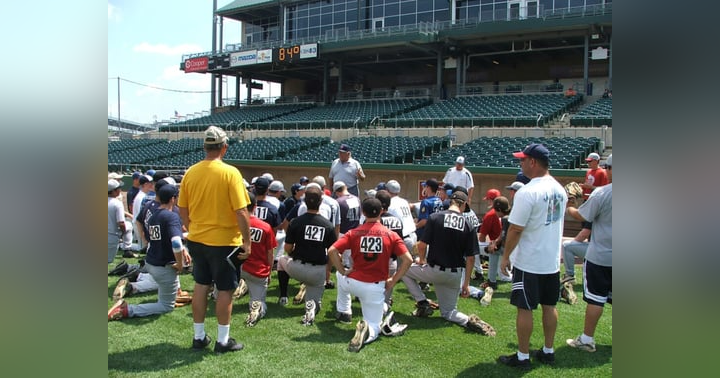
Inside the 2025 ABCA Youth Baseball Summit

Collaboration, Innovation, and a New Era for Youth Baseball
The world of youth baseball is evolving, and nowhere is that more evident than at the 2025 ABCA Youth Baseball Summit in Austin, Texas. In this special edition of "Clearing the Bases," we dive deep into the Summit’s conversations, challenges, and emerging solutions with four of the game's most influential leaders. This gathering, now in its fourth year, has become a crucible for innovative ideas, practical reforms, and a passionate commitment to making the sport better for kids everywhere.
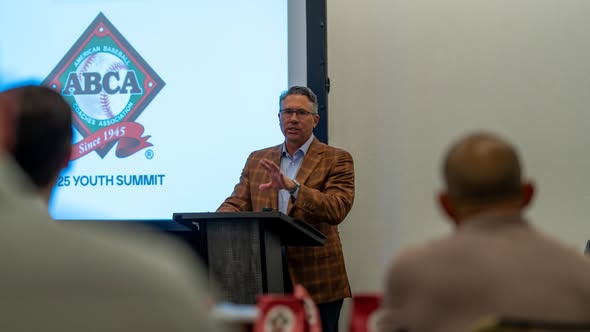
The Power of Collaboration
The Summit wasn’t just another conference, this was a convergence of approximately 40 coaches, educators, and organizers from every level of baseball, including Major League Baseball and grassroots leagues. The energy in the room was palpable, largely because everyone was there for a common mission: to elevate the youth baseball experience for players, parents, and coaches alike.
As Rob Hahne, founder of the Youth Baseball Summit and ABCA Fourth Vice President, reflected, “It took four years to get everyone to the table, and now it feels like we're entering a new chapter. With MLB, Little League, Babe Ruth, and other organizations engaged, we’re breaking down barriers and building a coalition that truly cares about the future of the game.”
Progress in Motion
Mike Cassidy, head coach at Mary Mount University, has attended the Summit since its inception. He’s witnessed the leaps and bounds made each year. “The ideas aren’t just talked about—they’re being implemented,” he says. “The collaboration with minds from all corners of the baseball world is inspiring.”
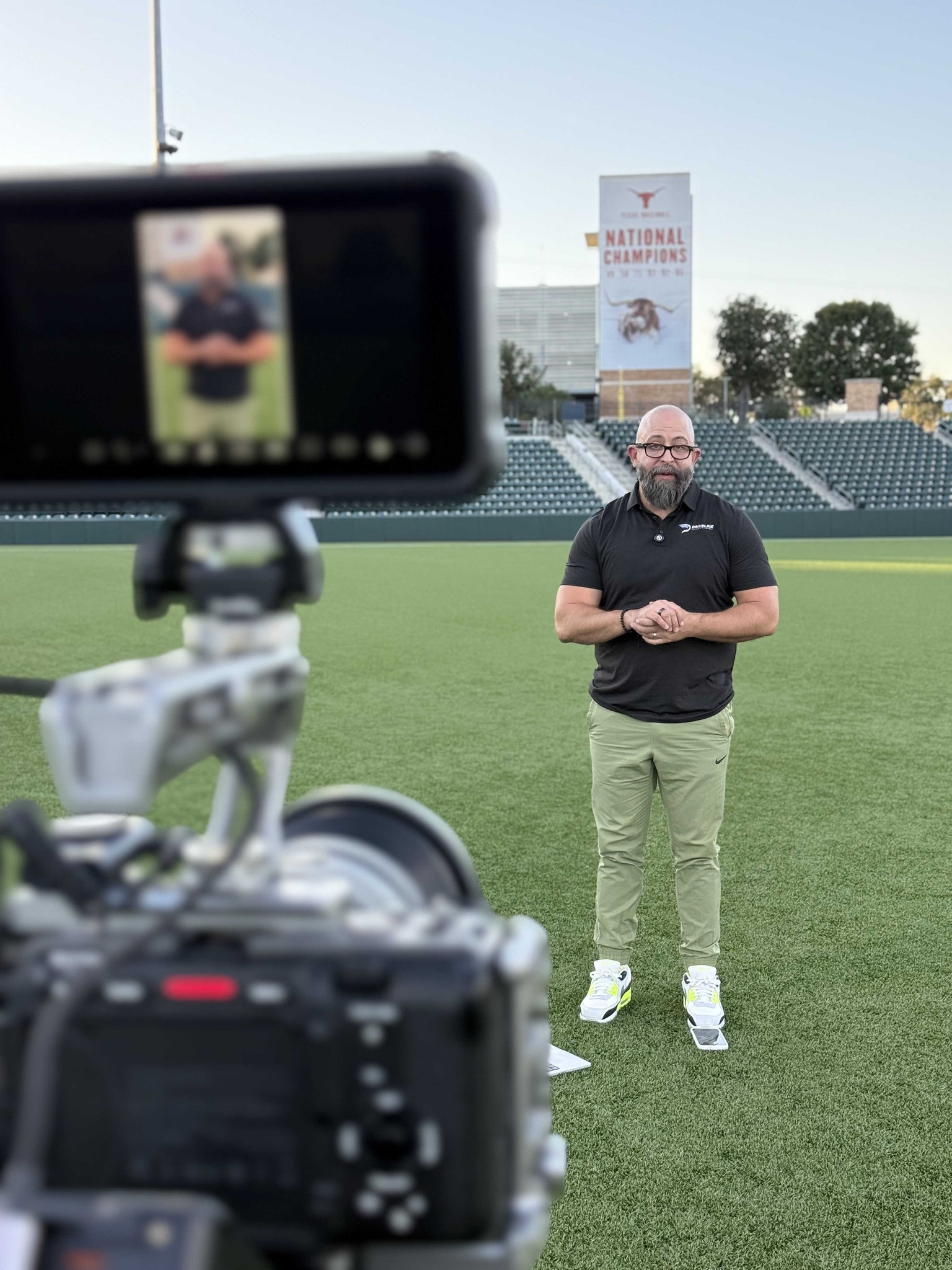
Devin Morgan, Director of Youth Baseball at Driveline Baseball, echoed this sense of momentum. “For the first few years, we discussed the issues. Now, we’re talking about tangible actions, leverage points, and building the systems to make a real difference. If the next 12 to 18 months go as planned, we’ll see substantial impact on youth baseball nationwide.”
Beyond the X’s and O’s
It’s tempting to think that baseball summits are all about drills, strategy, and technique, but the real focus here is much broader. Duke Baxter, founder of Zone Sports Academy and creator of Dominate the Diamond, emphasized the passion in the room. “It wasn’t just about hitting and fielding. We talked about the mental side, coach development, and ways to keep kids in the game longer. Stats show that the average player only lasts 2.3 years in youth baseball—that’s not enough. Our goal is to support coaches so they can nurture players from T-ball through adolescence and beyond.”
Game-Changing Initiatives
One of the Summit’s most exciting prospects is the push for a universal pitch count and reporting system—a concept that once seemed as ambitious as putting someone on the moon. Now, with buy-in from tournament organizers and recognition from MLB, it’s becoming a reality. “It’s about protecting young arms and ensuring a safer, healthier path for all athletes,” says Morgan.
Progress is not limited to workload management. The Summit is also a laboratory for sharing best practices, creating instructional resources, and addressing the need for universal coaching certification. As Hahne explained, “We don’t need baseball geniuses to grow the game—we need good people teaching life skills through baseball. Certification should focus on engaging and nurturing children first, skills second.”
The Role of Technology and Data
A lively debate unfolded around the use of technology and data in youth development. Morgan debunked the myth that focusing on metrics like launch angle and velocity harms young players. Instead, he argued, “Not measuring is a bad strategy. Assessing performance helps kids improve, and technology—used correctly—can boost health, sustainability, and long-term enjoyment. It’s about using every tool to help kids reach their potential and stay in the game.”
Coaching and Parental Influence
The Summit addressed the tough realities coaches and parents face. Baxter highlighted the power—and responsibility—of youth coaches: “Winning at all costs is a mistake. The real goal is to create practice environments where kids love to play and keep coming back. We have to set expectations with parents, too—let coaches coach and let kids learn and fail on their own.”
Cassidy underscored how over-involved parents can inadvertently harm their child’s development and college prospects. “We’re not looking for perfect stats—we want to see how players handle adversity. If you’re micromanaging your kid, you’re limiting their growth and opportunities.”
The panel agreed: youth sports should focus on development, fun, and life lessons, not just winning. As Hahne shared, “Baseball doesn’t get truly serious until varsity high school. Before then, it should be about learning, enjoyment, and building grit.”
Key Takeaways and Messages for Coaches
- Make it fun: Your players’ enjoyment is the ultimate measure of success.
- Every throw has a cost: Be mindful of workload and fatigue to protect young arms.
- Set the tone: Coaches’ energy and attitude shape the team environment.
- Be a lifelong learner: Take time to plan, organize, and reflect to continually improve your coaching.
- Teach life lessons: The impact you have goes far beyond the diamond.
Looking Ahead
The Youth Baseball Summit is just getting started. With more mini-summits and collaborative efforts planned, including ongoing discussions with Major League Baseball, the road ahead is bright. The work being done by these leaders—and the minds behind them—is setting a new standard for what youth baseball can and should be.
“Trust the process. Progress is happening, and with collective effort, youth baseball will be a better place for everyone—especially the kids.”
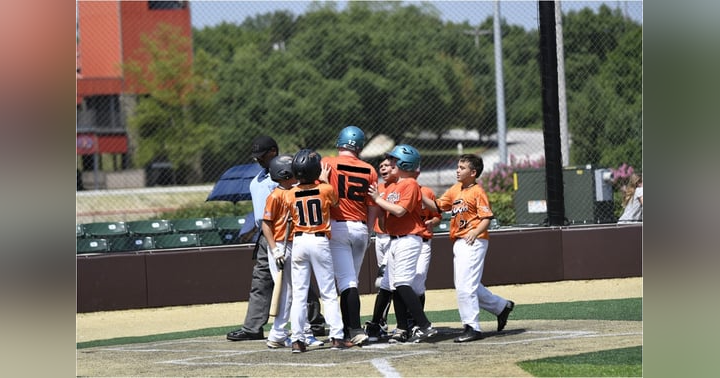
Clearing the Bases: Building Trust, Accountability, and True Development in Youth Baseball With Zach Lutz